
Check Your Pet Before You Check the View
We know the heartbreak of finding the perfect Dallas skyline view, only to have the deal collapse over a pet policy.
Many renters search for an apartment pet policy weight limit breed restrictions without realizing how strict the 2026 rules have become.
Our property data shows Dallas apartment pet rent averaging between $15 and $60 monthly, turning a simple policy into a major financial factor.
This is why our pet-friendly high rise apartments search confirms your dog or cat qualifies before you even step foot in the lobby.
We will break down the main reasons these costs are rising and walk through the exact workarounds our team uses.
Let’s look at the data, what it is actually telling us, and then explore a few practical ways to respond.

The Five Parts of a Pet Policy
1. Weight limits
Our property data shows Dallas buildings vary wildly on size caps. Some towers like Main 3 hold firm at a 35-pound maximum per animal.
We find other luxury properties, such as SkyHouse, offer a generous 75-pound allowance. You must confirm if the limit applies per pet or as a combined total for multiple animals.
2. Breed restrictions
Our clients often face surprises with aggressive breed lists set by building insurers. Texas property management companies routinely ban specific animals to maintain their coverage.
We always warn renters that mixes containing any percentage of a restricted breed are usually denied. Commonly restricted breeds in Texas include:
- Akitas
- Doberman Pinschers
- German Shepherds
- Rottweilers
You need a written confirmation from a vet if your dog looks like a restricted breed but is not.
3. Pet count
We see a strict two-pet maximum across nearly all Dallas high-rise apartments in 2026. Buildings occasionally treat cats and dogs differently, allowing two cats but only one dog.
Our advice is to declare every animal upfront to avoid eviction risks.
4. Costs
We monitor pet-related expenses closely, and Dallas averages reveal some steep costs for 2026. Non-refundable pet fees currently range from $300 to $500 per animal at move-in.
You will also pay a monthly Dallas apartment pet rent, which typically runs between $15 and $60 per pet.
- Pet deposit: Refundable at move-out, minus any carpet or baseboard damage.
- Non-refundable pet fee: Paid once to cover community wear and tear.
- Monthly pet rent: Ongoing monthly charge.
5. Documentation and screening
Our leasing partners now require extensive paperwork before handing over the keys. Many Dallas properties use a third-party service like PetScreening, which charges about $25 per pet profile.
We also see a massive increase in PooPrints DNA registration. This requires a one-time fee of around $85 to swab your dog’s mouth.
Communities use this database to match waste left in common areas and fine the exact owner.
Advisor note
Tell us your pet’s exact weight, not a rough guess. A dog that’s 52 pounds at a 50-pound cap is a conversation; we’d rather have it before your tour than after your application.
Comparing Pet Costs Fairly
| Cost | One-time or ongoing | Refundable? |
|---|---|---|
| Pet deposit | One-time | Yes, minus pet damage |
| Pet fee | One-time | No |
| Pet rent | Monthly | No |
Our team always calculates the annualized cost of a pet policy to reveal the true expense. Understanding the difference between a pet deposit vs pet fee is crucial.
We add the complete first-year total for each building you consider. You can use our Budget Calculator to include these monthly pet rents directly in your overall housing budget.
What to Have Ready
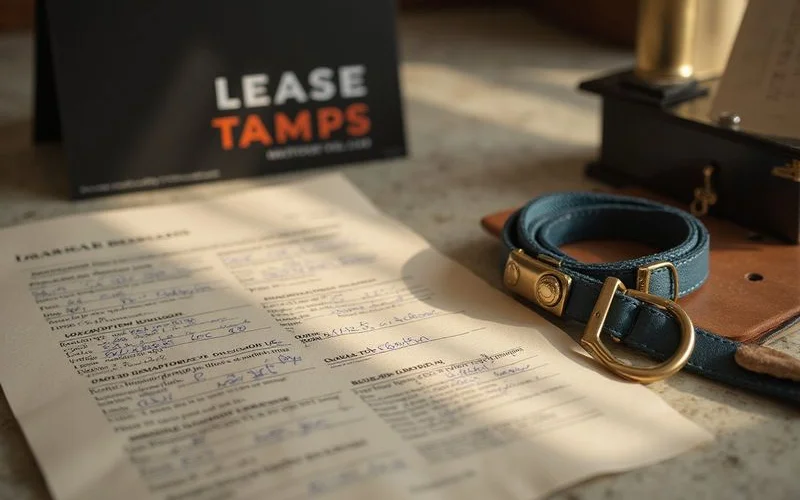
We recommend building a digital pet portfolio before you begin touring properties. This proactive step proves to property managers that you are a responsible owner.
Our most successful clients keep all medical and descriptive documents in one accessible folder.
- Current vaccination records showing Rabies and DHLPP, plus Dallas city registration.
- A clear, recent, full-body photo of each pet.
- Your pet’s specific breed, verified adult weight, and age.
- Official spay or neuter certificates from your veterinarian.
- A written reference letter from a previous landlord detailing your pet’s good behavior.
Assistance Animals Are Different
We understand that fair housing rules treat assistance and emotional support animals as necessities, not pets. Standard breed limits, weight caps, and monthly pet rents do not apply under federal guidelines.
Our local properties often use third-party portals to verify medical letters. These services process assistance animal requests for a $0 fee.
Please review our Fair Housing Notice for complete details on your rights.
Pet Policies by Pet Type
We categorize pet policies based on the type and size of your animal to streamline the search. Knowing your category helps you anticipate the exact pushback you might receive from a leasing agent.
| Pet | What to check most |
|---|---|
| Large dog | Weight cap (e.g., 75 lbs), breed list, elevator rules, and relief area access |
| Small dog | Breed list, two-pet count limit, and monthly pet rent |
| Cat | Count limit, pet rent, and sometimes a specific clawing or scratching policy |
| Two or more pets | Combined weight limits and whether the $300-$500 fee applies per pet |
| Assistance animal | The property’s specific medical documentation and verification process |
| Exotic pets | Whether allowed at all; many high rises strictly limit animals to dogs and cats |
Questions to Ask the Leasing Office
Our agents always ask leasing staff a specific series of questions to prevent expensive surprises. You should never assume a verbal agreement overrides the written lease addendum.
- What is the exact weight limit, and does it apply per pet or combined?
- Can I get a printed copy of the restricted breed list from your current insurance provider?
- How many animals are legally allowed per unit?
- What are the exact amounts for the deposit, the non-refundable fee, and the monthly rent?
- Does the building require a $25 PetScreening profile or an $85 PooPrints DNA registration?
- Are there specific restrictions on pets in furnished units or on premium floors?
- Where is the nearest designated relief area, and is there an on-site dog run?
Common Surprises
We help renters handle unexpected policy enforcements every single week. Many leasing agreements contain hidden clauses that can cost you hundreds of dollars if ignored.
- Breed mixes count. A rescue mix that visibly includes a banned breed like a Rottweiler will face rejection.
- Weight caps apply to adult weight. A 30-pound puppy that will grow past a 40-pound building limit will be refused.
- Pet rent is usually per pet. Two dogs can easily double your monthly cost to $120.
- DNA fines are steep. Leaving waste in a PooPrints-registered building can trigger an automatic $250 fine.
- Policies change constantly. A property that allowed Great Danes in 2025 might ban them in 2026 under new management.
- Pet rules in amenity spaces. Most luxury pool decks and indoor lounges strictly prohibit all animals.
Adding Pet Costs to Your Budget
We want you to see the complete financial picture before signing a binding lease. Over a standard 12-month contract, a $50 monthly rent plus a $400 upfront fee adds nearly $1,000 to your annual housing cost.
Our Budget Calculator includes a dedicated pet rent line to keep your numbers accurate. You can also use our Move-In Cost Calculator to anticipate the heavy upfront pet setup fees required on your first day.
Getting Your Pet Approved Smoothly
We recommend gathering your animal’s complete paperwork before you submit a formal apartment application. Securing a letter of good standing from your current property manager drastically improves your chances of approval.
Our team suggests compiling these three items immediately:
- Rabies and DHLPP vaccination records dated within the last 12 months.
- A written reference letter from your previous landlord.
- Accurate weight measurements taken directly at the vet clinic.
If your dog hovers right at the 50-pound building limit, tell us before you apply. We will direct you to large dog friendly apartments Dallas residents love, eliminating any stress at the leasing desk.
Beyond the Policy: Daily Life
Our service extends beyond just getting your dog approved on paper. A generous weight limit does not guarantee a comfortable daily routine for your animal.
You need to consider elevator wait times, the quality of the on-site dog run, and the proximity of green spaces.
Our comprehensive guide on living in a high rise with a dog covers these practical realities in detail. Neighborhoods near the Katy Trail, Klyde Warren Park, and Oak Cliff’s Lake Cliff Park offer the premier Dallas corridors for active dog owners.
Tell us your pet’s specific details, and we will verify which luxury towers on your shortlist will happily welcome you both.