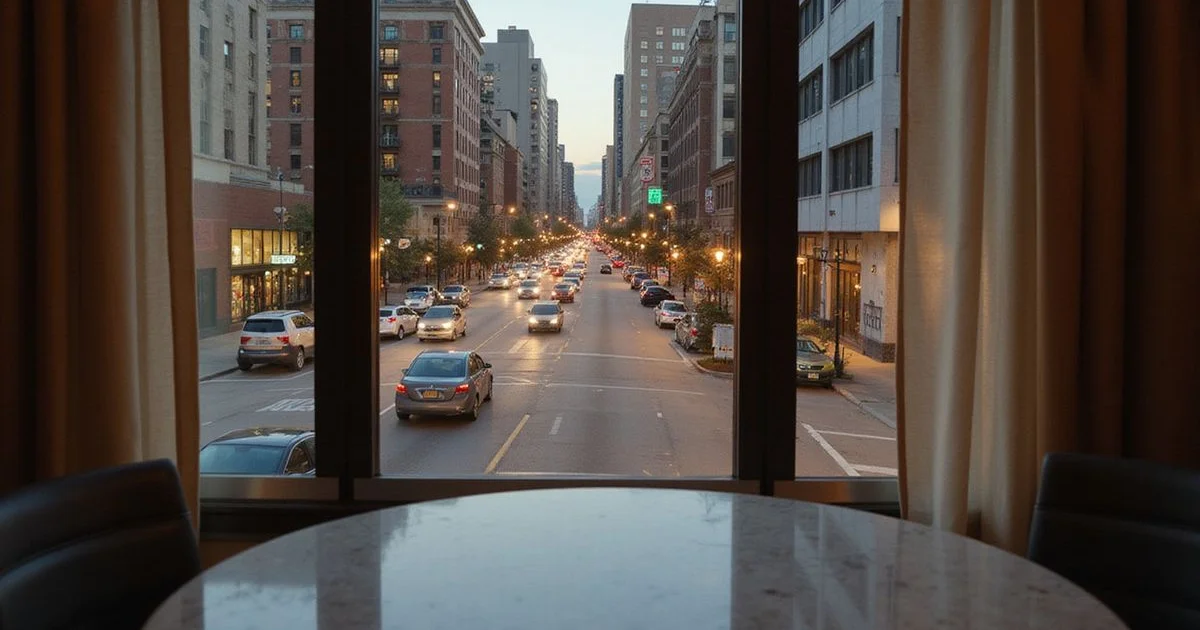
Noise Is the Detail Portals Never Mention
We frequently see listings that focus entirely on the views and the amenities. They completely ignore the actual sound profile of the space.
Our team knows from experience that a 6th-floor apartment facing McKinney Avenue catches every trolley bell and weekend traffic jam. The unit directly beneath the pool deck hears every single cannonball splash.
We find that unwanted high rise apartment noise is one of the most common regrets in a lease.
You can easily avoid this frustration with the right information. Our clients learn exactly what to listen for before they sign anything. It is part of what we check in our best views high rise apartments search.
Noise Sources by Height
We categorize residential sound profiles into specific elevation zones. Different floors expose you to entirely different acoustic challenges. Our approach helps you target the exact height that matches your tolerance.
Typical city traffic generates about 70 decibels of constant noise at the ground level.
We always map out where the building’s heavy machinery sits. Large HVAC chillers and elevator hoisting motors usually occupy dedicated mechanical floors. Our checklist ensures you do not accidentally lease a unit right next to these industrial systems.
| Floor zone | Main noise sources | What to check |
|---|---|---|
| Lower floors (just above the garage podium) | Street traffic, sirens, nightlife, garage doors | Which side faces the busy street |
| Near the amenity deck | Pool parties, music, furniture | Units directly below or beside the deck |
| Middle floors | Generally quietest | Neighbors and elevator proximity |
| Near mechanical floors | HVAC, pumps, elevator machinery | Where the mechanical levels are |
| Top floors | Wind at corners, rooftop equipment, sky lounge events | Corner units and what’s on the roof |
Street Noise in Dallas Corridors
We track the primary entertainment districts across Dallas to predict weekend sound levels. The specific neighborhood you choose dictates the type of urban hum you will experience. Our breakdown highlights exactly what to expect when you open your balcony door.
- McKinney Avenue in Uptown: traffic, the M-Line trolley and nightlife. The vintage trolley cars run seven days a week along a 4.6-mile route and create a distinct metallic clatter.
- Dallas North Tollway and Woodall Rodgers Freeway: constant traffic hum on facing sides.
- Victory Park: crowds and plaza noise on game and concert nights at the American Airlines Center. The arena hosts over 80 home games annually for the Mavericks and Stars.
- Deep Ellum: weekend music and crowds on Elm and Main Streets. Late-night entertainment venues often push ambient sound levels higher until 2 AM.
- Turtle Creek and Knox-Henderson: generally calmer residential streets.
We remind renters that street noise drops with height, but it does not vanish. Sirens and bass frequencies easily carry to the upper floors.
Advisor note
Listen with the windows closed, and then open one. Good glazing hides a lot, but a balcony door left open on a summer night won’t.
Neighbors and Construction Type
We strongly prefer concrete buildings for anyone who prioritizes a quiet living space. The physical materials used to build your tower determine how much you hear from the people next door. Concrete construction typically achieves a Sound Transmission Class (STC) rating between 55 and 65.
Our team notes that standard wood framing usually tops out at an STC of 45 to 52 in comparison. An STC of 60 effectively blocks out loud speech and heavy footsteps completely. This massive difference explains why concrete offers one of the biggest quality-of-life upgrades when you move up.
We advise that even in a well-built tower, a few strategic layout choices help:
- Corner and end-of-hall units share fewer walls
- Units away from the elevator and trash room get less foot traffic
- Bedrooms that don’t share a wall with a neighbor’s living room
Wind Noise Up High
We warn clients that high winds create unique acoustic challenges for the upper floors of tall buildings. Above the surrounding structures, wind can whistle around corners and across terraces. The “stack effect” often pulls air through elevator shafts to create whistling drafts at doorways.
Our experience shows this happens most often on corner units of tall towers. Spring wind gusts in Dallas frequently exceed 40 mph and amplify this effect. A quick tour of these specific units on a gusty day provides peace of mind. We find it is rarely a deal-breaker, but it is always worth a listen.
Noise Checklist by Corridor
We built this quick reference guide to highlight the main sound sources and the quieter alternatives across the city. The US-75 highway handles massive daily traffic volumes, making east-facing Knox-Henderson units louder. Fire station sirens in Downtown frequently bounce between the glass skyscrapers. Our table helps you locate the calmest side of any building.
| Corridor | Main noise sources | Quieter options |
|---|---|---|
| Uptown core | McKinney Avenue traffic, M-Line, nightlife | Upper floors, units facing side streets |
| Victory Park | AAC event plaza, crowds on game nights | Stacks facing away from the plaza |
| Turtle Creek | Generally calm | Creek-facing units |
| Downtown | Traffic, sirens, Main Street nightlife | Upper floors, interior-facing units |
| Deep Ellum | Live music and weekend crowds on Elm and Main | Upper floors on quieter sides |
| Knox-Henderson | US-75 traffic on some sides | Units facing residential streets |
| Suburban | Tollway and highway hum on facing sides | Units facing away from highways |
Quiet-Seeker Unit Profile
We curate a very specific floor plan profile for clients who are highly sensitive to sound. The ideal layout sits perfectly insulated between the busy street below and the rooftop machinery above. Finding the quietest floor in an apartment building requires identifying this exact sweet spot.
Our favorite floor plans also feature solid core doors, which reduce hallway noise by up to 10 decibels compared to hollow-core options. Sensitive sleepers should always look for a unit that meets these criteria:
- A middle floor, well above street level and below the roof
- Not directly under or next to the amenity deck
- Away from the elevator bank and trash room
- Facing a side street, courtyard or greenery
- A corner or end-of-hall unit with fewer shared walls
- Bedrooms that don’t share a wall with a neighbor’s living room
We caution that U-shaped buildings can sometimes create an echo chamber effect in the courtyard. Dense landscaping and trees help absorb that trapped sound.
Sleep and Work From Home
We prioritize acoustic isolation for your bedroom and your home office. A unit where your office faces away from the street can make a massive difference on professional calls. Directional microphones on headsets help block ambient city hum during virtual meetings.
Our team suggests hanging mass-loaded vinyl curtains if you are a light sleeper. These heavy drapes can drop perceived noise by an additional 10 to 15 decibels. Acoustic window treatments pair exceptionally well with a dedicated white noise machine. We always remind renters that the right building stack actually helps more than any accessory.
Ask Current Residents
We always encourage prospective renters to chat with the people who already live in the building. Current residents provide the most candid and accurate assessment of the daily soundscape. A quick conversation in the lobby or on the amenity deck reveals which side of the building suffers from street noise.
Our team also suggests reading online property reviews and filtering the comments specifically for the word “walls”. Concierges and regular delivery drivers also know exactly which floors submit the most complaints. Resident feedback frequently proves more useful than any glossy marketing brochure.
How to Check Noise Before You Sign
We developed a mandatory checklist to help you verify the sound levels before finalizing a lease. You need to gather objective data during your property tour. Free decibel meter apps, like the NIOSH Sound Level Meter, establish a reliable baseline reading in the bedroom. Our benchmark is a reading under 40 decibels with the windows closed, which indicates a very quiet space.
- Ask which floors are mechanical and where the amenity deck sits.
- Ask what’s directly above and below the unit.
- Visit at the time you’ll be home, including a weekend evening if nightlife is nearby.
- If you’re leasing remotely, ask your locator to record audio with windows closed. See leasing a high rise sight-unseen.
We recommend asking the leasing agent directly if the specific unit has a history of logged sound complaints. Many renters ask us: are higher floors quieter in apartments? Tell us how sensitive you are to noise, and our locators will steer you to the right corridors, buildings and floors.