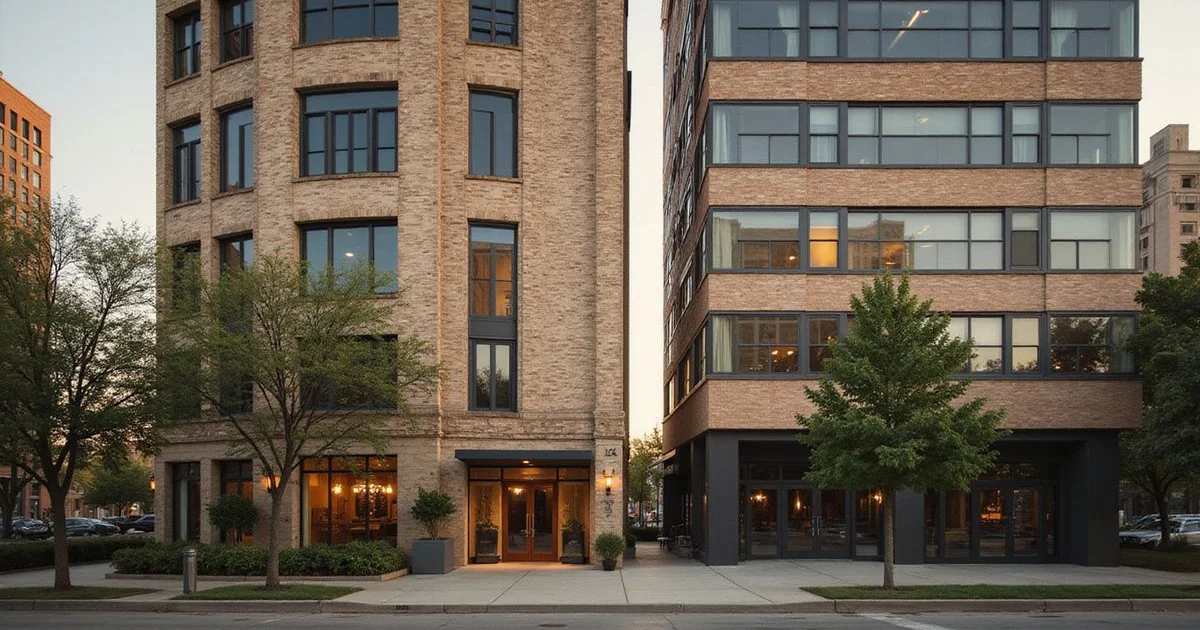
Our professional service team fields questions daily from property owners and investors about the true apartment building class a b c meaning. You probably notice these asset grades when browsing our Dallas high rise apartment inventory.
These ratings establish market positioning and directly influence property values.
We use this data to help clients make strategic choices in a crowded market. Let’s look at the actual facts, what they tell us about real estate assets, and explore practical ways to use this grading system.
Why We Show a Class Next to Every Building
We show a property grade because class describes the building as a financial asset. The short version is that these grades measure age, construction quality, interior finishes, and property management style.
Property owners often ask us to explain the difference between market appeal and building quality. This asset grade does not tell you whether residents actually like living there. That is exactly what resident ratings are for.
Our team relies on standards set by groups like BOMA and CoStar to evaluate these properties. A building might have premium features but suffer from poor management. You need both the class and the resident rating to see the full picture.

What Drives a Building’s Class
A building’s class is driven by its physical condition, age, and management quality. These combined factors dictate where a property sits in the current real estate market.
Year built and renovation
Age is the biggest driver of a property grade. New towers almost always start at an A or A+ rating.
We often see older properties lift their status through extensive capital improvements. This explains why you will see entries like “2008/2022” in our tables.
A property built in 2008 and renovated in 2022 competes much better against brand new construction. A 2026 National Association of Residential Property Managers study shows that Dallas properties with recent updates secure up to 18 percent higher rents than unrenovated peers.
Construction and systems
Modern structural materials and mechanical systems drastically improve a building’s rank. A concrete tower with high-efficiency HVAC and current elevator technology scores much higher than older structures.
Our property analysts look closely at underlying infrastructure. Smart glass and LEED-certified energy systems represent the new standard for top-tier properties.
Older properties with original plumbing and single-pane glazing fall lower on the scale.
Finishes and amenities
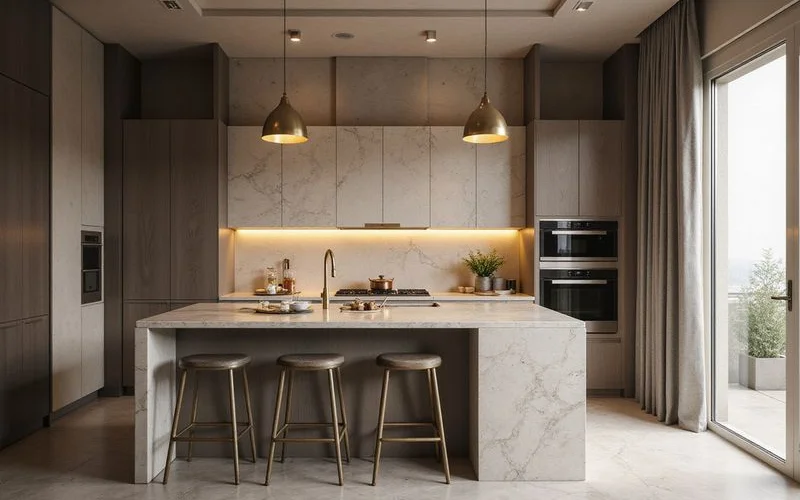
Interior finishes and shared spaces push a building toward an A+ rating. Top properties feature stone counters, integrated appliances, and extensive smart-home automation.
We see developers heavily focused on lifestyle additions right now. In 2026, premium Dallas towers offer several mandatory features for top classification:
- Dedicated electric vehicle charging stations
- Private pool cabanas and outdoor kitchens
- High-end wellness centers with yoga lawns
- Full 24-hour concierge and valet service
A full amenity deck completely transforms the daily resident experience.
Management
Institutional property management plays a major role in the final grade. High-end towers require professional teams to maintain standards and handle resident requests quickly.
Our data shows that most Dallas A+ properties use established firms. Companies like Greystar, Hines, Kairoi, StreetLights, ZRS, Gables, and Willow Bridge dominate this market.
Strong management minimizes turnover and protects the asset’s long-term value.
The Grades, With Dallas Examples: Apartment Building Class A B C Meaning
Understanding what is a class a building requires looking at concrete examples. These grades separate the market into distinct tiers based on age and features.
| Class | What it usually means | Dallas examples |
|---|---|---|
| A+ | Built 2022-2026, luxury finishes, EV charging, 24/7 concierge | Selene (2022, 4.9★), The Sinclair (2024), 2811 Maple (2025) |
| A / A- | Built after 2010 or fully renovated, strong finishes, pool decks | Uptown by Onni (A), Gables Republic Tower (A-) |
| B+ / B / B- | Built 1990-2010, updated units, standard fitness centers | Remi (B+, 1998), Verona (B), Whitney Uptown (B-) |
| C+ / C / C- | Pre-1980 stock, original systems, historic conversions | The National (C+, 1964), The Kirby (C), Lone Star Gas Lofts (C-) |
The Case That Explains It All: Selene vs. The National
We compare Selene and The National because they perfectly illustrate how class and experience differ. These two buildings offer totally different environments in the exact same city.
Selene Luxury Residences (2620 Maple Ave) is an A+ property built in 2022. This 12-story building carries a 4.9-star resident average and represents exactly what most people picture when they hear the class a apartment meaning.
The property features Italian cabinetry, Bosch appliances, and monthly rents starting around $3,265 in late 2026.
The National (1401 Elm St) holds a C+ rating. This building went up in 1964 and received a major renovation in 2020.
Our clients are often surprised to learn this is the tallest rental in Dallas at 52 floors. Rents here can reach $17,000 for penthouses, and the property features a massive two-acre indoor and outdoor amenity deck.
The C+ label simply reflects the 1964 construction date, not the 4.1-star luxury experience inside. Both properties can be the right choice for the right person.
Advisor note
Read class and rating together. A high class with a low rating suggests a nice building with service problems. A low class with a high rating suggests an older building that’s well run.
Why a C Building Might Suit You Better
A class c apartment often provides better value and unique architectural features. Older properties cannot match the shiny new amenities of a modern tower, but they excel in charm.
We frequently point clients toward historic conversions in Downtown Dallas. Buildings like The Kirby (1913), Dallas Power & Light Lofts (1931), and Lone Star Gas Lofts (1931) carry C grades strictly because of their age.
These older structures offer things new towers simply cannot replicate. You get high ceilings, massive original windows, and thick concrete walls that block sound.
Our data shows that Class C properties remain among the most affordable high rises in the city. Dallas Power & Light Lofts maintains a strong 4.2-star rating from its residents.
A detailed comparison of historic lofts vs. older towers goes deeper into these specific benefits.
How to Use Class When You’re Comparing Buildings
You should use the building class as a quick initial filter. This grade helps you eliminate properties that do not fit your required construction style or budget.
We recommend treating the class as a starting point for deeper questions. Here are a few practical rules:
- Use class to set expectations, not to decide. An A+ building should deliver flawless modern finishes and full concierge service. If you tour an A+ property and see deferred maintenance, that is a major red flag. A Class C building requires judging the property on its character, location, and management team.
- Check the renovation year. A property listed as 1931/2014 went through at least one massive update. Ask the leasing staff what specific items were replaced. Finding out if they updated the hidden plumbing systems or just painted the cabinets will save you money later.
- Pair class with rating. An A+ grade mixed with a low star rating points to severe management issues. A Class C grade paired with a high rating tells you the older building is maintained perfectly.
- Look at the manager. Dallas A+ towers are usually operated by firms like Greystar, Hines, Kairoi, StreetLights, ZRS, Gables, and Willow Bridge. Management style and fee structures vary wildly from building to building, even within the exact same company. For example, ZRS Management handles The National and charges specific mandatory amenity fees that impact your total monthly cost.
Class and Rating Side by Side
We track these metrics together to spot hidden problems and overlooked opportunities. A few contrasting pairs from our inventory show why relying on just one number is dangerous.
| Building | Class | Rating | What it suggests |
|---|---|---|---|
| Selene Luxury Residences | A+ | 4.9★ | Top-tier asset, top-tier experience |
| Skyhouse Dallas | A+ | 2.9★ | Modern building; ask about service and management |
| Dallas Power & Light Lofts | C | 4.2★ | Older conversion, well regarded by residents |
| The National | C+ | 4.1★ | 1964 tower renovated in 2020, tallest rental in Dallas |
| The Hamilton at The Epic | A+ | 2.6★ | Newer tower with weaker resident reviews |
| Peridot | A+ | 4.9★ | New, small (11 floors) and highly rated |
Our team always explains the specific reasons behind a low rating before you tour a property. Sometimes a bad score stems from a past management issue that the current owners already fixed.
Other times, those exact same problems are still happening today.
What Class Means for Rent and Concessions
A building’s class heavily dictates its base rent and promotional offers. The current real estate climate forces landlords to adjust pricing based directly on their asset tier.
We track concession data closely across the Dallas market. In 2026, roughly 64 percent of Dallas listings offered some form of rent concession due to a heavy supply of new construction.
Several older Downtown buildings are running one to two months free right now. You will also find several A+ towers offering similar deals to compete for new leases.
A Class C conversion with two months free costs significantly less than an A+ tower offering no specials. Our high rise move-in costs breakdown shows how those specials change what you pay upfront.
Our analysis shows that a freshly renovated Class B building can easily rival a new A+ property on finishes while saving you hundreds of dollars a month. A quick look at our affordable high rise apartments page reveals the lower-rent options organized by entry price.
When Class Should Drive Your Decision
The asset grade should steer your choice when specific physical features are non-negotiable. You must decide if you value brand-new construction or historical character.
We suggest leaning toward an A+ property if you require quiet concrete construction, flawless modern finishes, and full concierge service. This tier is essential if you are signing a lease at the very top of the luxury market.
Older properties make more sense if you prioritize unique architecture, lower monthly costs, or a highly specific downtown location. The true apartment building class a b c meaning comes down to balancing these physical facts against resident satisfaction.
Our team encourages you to verify those resident ratings and ask us directly what is causing them. You deserve the plain truth about any building on your list so you can make the best possible choice.